
Trip Info
-
Private Jeep, Domestic Flights (Kathmandu–Pokhara–Jomsom)
-
Small to Medium (2–12 Members)
-
3,840 Meters (Lo Manthang)
-
Traditional Tea Houses, Authentic Homestays with Local Hospitality
-
Moderate Physical Fitness (Able to trek 5–6 hours daily)
-
Tribhuvan International Airport, Kathmandu
-
Pokhara or Kathmandu (Flexible Options)
-
May (Spring) for Tiji Festival Celebrations
-
Expert Guides Specializing in Culture and Festivals
-
Festival Experience, Cultural Immersion
-
English, Tibetan (for better cultural insights)
-
Traditional Local Dishes, Light Snacks, Herbal Teas
-
Annapurna Conservation Area Permit (ACAP), Restricted Area Permit
Overview
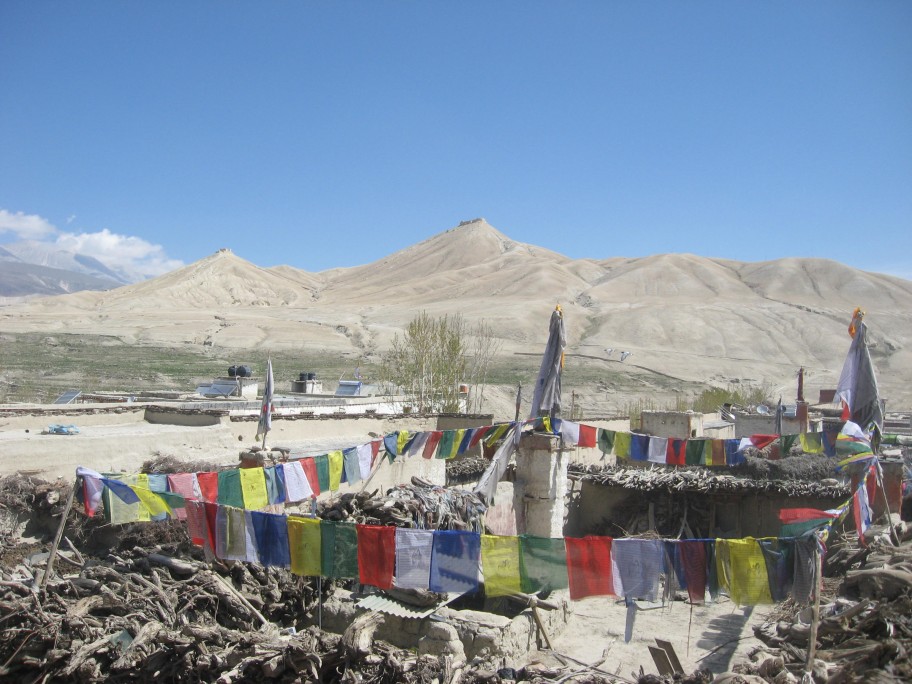
Visiting the ancient Kingdom of Lo, since 2008 renamed Upper Mustang, is an amazing experience for its beautiful high-desert landscapes and its cultural and religious history.
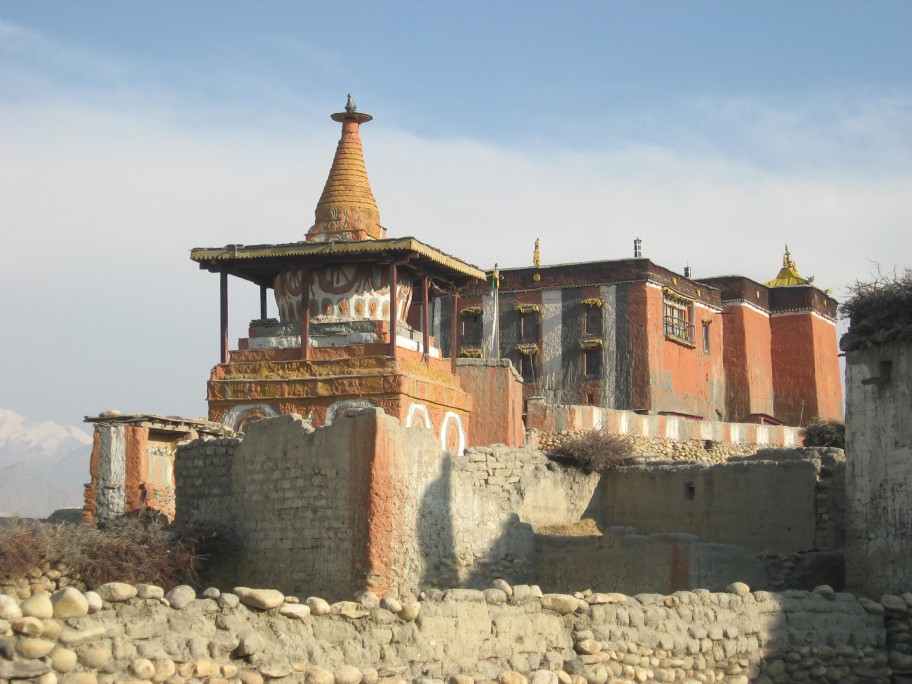
Previously an independent kingdom, founded around 1380, within the borders of what is now Nepal, the region had very strong ties to Tibet and was ruled by a king from the walled town of Lo Manthang. Located in broad upper valley plains of the Gandaki River, the kingdom was encircled by mountains and sheltered from outside influence. As a result, the lifestyle, beliefs and culture of the residents has changed little. The beautiful walled architecture of Lo Manthang is living museum of past centuries. At the northern end of the town is the Choede Monastery, constructed around 1710. It is a wonder of local architecture, decorative arts and Buddhist tradition.
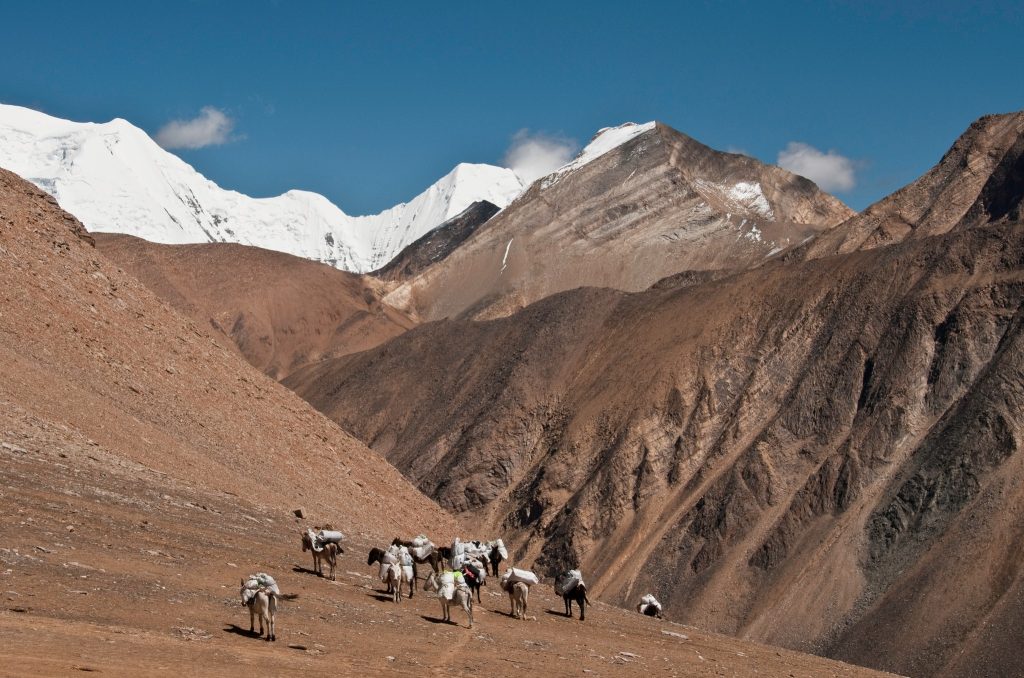
Most visitors walk the ancient trade route paths from Jomsom northward through the huge Kali Gandaki Gorge to the rugged desert plain of the upper valley. There is history as every village along the way, and the landscapes are a photographer’s dream.
Why Upper Mustang Tiji Festival?
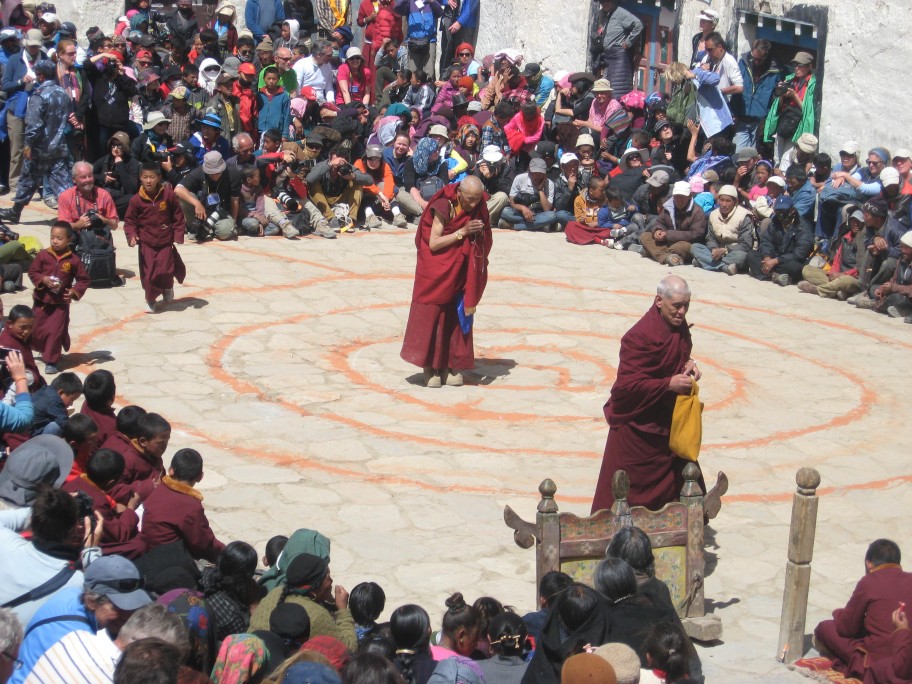
The Tiji Festival is held annually, over three days, around the end of May. The festival is focused upon the Choede Monastery courtyard and three highly symbolic dances. The dances celebrate the defeat of the demon Man Tam Ru, a cannibal that sought the destruction of Lo Manthang and its people. In Buddhist historical belief, Dorjee Sonnu, a reincarnation of the Buddha, confronts and banishes the demon and thereby protects the Kingdom of Lo forever more.
The story is enacted through three dances performed by the Choede Monastery monks over the three days of the festival. It is a spectacle of bright costumes, theatrical dance and blaring trumpets and drums. The first dance represents the descent of demon Man Tam Ru into the earthly realm and fear and destruction threatened upon the people and town. The second day of dance portrays the appearance of Dorjee Sonnu as the protector of the community. The final day of dance sees the demon cast out and banished to another spirit realm.
The monks and towns people put a great deal of effort into creating a spectacular event in such a remote and historic location. Getting the opportunity to witness the festival and dance stories is like stepping back in history to an era long past.
Trip Highlights
- Witness ancient Tibetan Buddhist rituals performed by monks.
- Experience the reenactment of the Dorje Jono myth, symbolizing the triumph of good over evil.
- Enjoy traditional Cham dances featuring vibrant masks and costumes.
- Immerse in the unique Tibetan culture and heritage of Lo Manthang.
- Join the colorful celebrations with locals in traditional attire.
Welcome to Kathmandu, the capital of Nepal. The Langtang Ri Trekking & Expedition representative will greet you at the airport and transfer you to your hotel. After your refreshment you will be picked up from your hotel lobby and driven to our Thamel office where you will be formally introduced to your trekking guide. We will go through all your trek itinerary and arrangements with you to insurer every detail is in place. We will also ask to bring your passport, extra passport photographs and a copy of your travel insurance so that we can organize permits required for your trek in the Upper Mustang Region.
After breakfast, we start an interesting tour around Kathmandu. Escorting by an English speaking guide (can be provide any language speaking guide on request) the tour will give you a taste of our vivid Nepali culture and history. In our sightseeing tour we go to Monkey Temple Swayambhunath, Pashupatinath, Bouddhanath and Kathmandu Durbar Square.
Bouddhanath: Bouddhanath is a Buddhist religious complex with a history dating back over 500 years. Located on the eastern edge of Kathmandu it is now a site of great pilgrimage for Buddhist followers who circle its massive stupa, spin its many prayer wheels and visit its beautiful monastery. The main feature of Boudhanath is its huge hemispherical white stupa with central golden tower and the all-seeing eyes of the Buddha. Visitors should circle the stupa in a clockwise direction and spin prayer wheels for good fortune and a good life. Visitors may also enjoy visiting the thangka painting school within the complex to see highly skilled artists at work on religious mandala paintings.
Pashupatinath: This Hindu Temple is a very large complex and focal point for the Hindu religion in Nepal. This old and very revered complex of buildings and shrines is dedicated to the Lord Shiva, one of the main deities of Hinduism. While Lord Shiva has multiple forms he is often seen as the destroyer. This has great significance for the Pashupatinath temple as it is the site of many Hindi ritual cremations each day. Pashupatinath is considered by Hindus to be an auspicious site for passing from one stage of life to the next through the purifying and destroying flames of cremation. However, on a happier note, visitors may also get to see the temple in a buoyant festival mode with one of the many Hindu festivals celebrated here through the year.
Swayambhunath: You will first visit the Swayambhunath temple complex that sits atop a high hill overlooking Kathmandu and the entire Kathmandu Valley. Swayambhunath is perhaps the most sacred Buddhist pilgrimage site in Nepal. It consists of a very large white stupa with the all-seeing-eye of Lord Buddha plus many small stupa and beautifully carved stone shrines. This is a wonderful place to catch your breath and start to understand and appreciate the deep importance of Buddhist belief to the people of Nepal and the Himalaya region. Make sure you ring the many bells to awaken the gods and let them know you are in Nepal. Take the time to enjoy the view over Kathmandu and have your guide point out the many other highlights of the city. In the far distance to the east you may also be able to see the hills of Nagarkot. If you feel energetic you might also like to try some or all of the 350 steps that lead all the way from Kathmandu city up to your Swayambhunath temple vantage point.
Kathmandu Durbar Square: The next stop today is the beautiful Kathmandu Durbar Square, or the royal palace square of the ancient Malla Kings of the Kathmandu Valley. This square and all its architectural treasures are a UNESCO World Heritage Site. While some damage to buildings occurred in the 2015 earthquake the site still contains many stunning architectural gems. The original royal palace courtyards are open to visitors and you will marvel at the intricate timber carving and beautifully crafted brickwork of the palace. The open square outside the palace has many beautiful multi-storey pagodas and temples with ornate carving and carpentry artwork that tells some of the story of the ancient kings and their mystical time and beliefs. The square also contains many important Hindu temples and statues such as to Vishnu and Lord Shiva. Durbar Square also contains the unique and intriguing Kumari Chok. This is an ancient and ornate house where resides the Raj Kumari – the Living Goddess. She is a young girl chosen through an ancient and mystical selection process to become the human incarnation of the Hindu mother goddess, Durga. If you are in the courtyard of her home at the right time in the afternoon you may see a brief glimpse of the Goddess at her window.
Drive or fly to Pokhara. The flight is an optional extra for this itinerary. Pokhara is located about 200km west of Katmandu on the shores of the beautiful Lake Fewa. Pokhara is a mixture of restful and busy. It has the atmosphere of a relaxed “resort town” where visitors take it easy seeing the sights and resting before their Annapurna or Mustang trek and once again upon their return. But is also a busy place with all these visitors arriving, leaving and exploring the lake and nearby sights of Pokhara. The option to drive from Kathmandu to Pokhara provides an opportunity to experience more of the real Nepal beyond the national parks and trekking trails. The scenery and people you will meet on the drive is also worth the experience.
The early morning flight to Jomson is very short and very scenic. In the 30 minutes of flight time you will be treated to spectacular views as your aircraft flys up the Kali Gandaki Valley towards Jomson. The Annaourna Massif and its many stunning peaks will be to your right and the mass of 8,172m Mount Dhaulagiri will be to your left. But too soon you will be on the ground at dusty Jomson Airport. Once all your team and gear is organised your guide will lead you out on to the trail and commence the four hour trek to the village of Kagbeni. The ancient mud and stone village of Kagbeni sits on a ridge high above the dry riverbed where it is safe from the occasional flood that roars down the valley after heavy rains higher in the catchment.
The trek continues along the twists and turns of the hugh Kali Gandaki riverbed. The gradient is gentle and the walking easy as you gain about 400m in altitude over the course of the walk. You will pass through the unspoiled traditional villages of Tangbe and Chhusang and take short detour breaks to rest and explore their narrow lanes and architecture. A chance to share a cup of tea with the local people is also very likely. As you get closer to Chele the river valley narrows to a deep gorge and the gradient steepens. The last effort for the day is to trek up the steep trail that takes you to Chele village and its fields perched above the narrow southern gorge exit. There are many vantage points around the village where you can look down into the dark gorge and contemplate the surging torrents of water that have cut this spectacular cleft over thousands of years. The views to the east and the Annapurna Massif peaks and Mount Nilgiri are spectacular as the sun sets and the peaks fade to pinks, greys and then nightfall.
The trek becomes a little more challenging today as you leave the riverbed and follow the ancient trails along the western slopes of the valley. There is hardly a level step today as you always seem to be climbing or descenting a ridge or gully slope. The landscape to the east is dominated by the giant gorge that cuts a gash through the solid rock of the lower valley. You trek through arid land that barely supports hardy goat herds of the few tiny villages you pass though. Eventually you will summit the main ridge and high point of 3,540m before slowly descending towards the welcome sight of Geling sitting high above its terraced fields stretching down the foothill slope.
As you continue north into the heart of Upper Mustang the valley widens and the deep gorge you have been skirting oepns out again to a wide and gravelly river bed. However, the trail today continues its winding path through the lower foothills. As you descend the valley slopes you pass spectacular red cliffs that glow in the strong sunlight. You then cross a small bridge over the Tangmar Chu River and ascend again to be rewarded with one of the longest and most interesting prayer walls, or mani, in all of Nepal. Say a prayer as you pass just as many thousands of local people have done before you for perhaps a thousand years or more. Upon reaching Tsarang you will be amazed by the sight and community effort that has gone into the construction of the five–story Dzong, or fort, and the nearby Buddhist gompa or monastery. Take the time to appreciate the wonderful statues and thanka paintings of the Buddha.
Start the day by exploring more of Tsarang and its rich heritage. Then head north on the trail along the wide valley floor towards Lo Mantang. You will see the walled town well before you reach it and then discover there is just one entrance gate to this once well defended town. The ever happy and welcoming people of Lo Manthang will be delighted to see your arrival.
Early in the afternoon, horns resounded, announcing the two twelve-foot copper dunchens, with their elephantine blurting, followed by two double-reeled horns, all accompanied by drum and cymbals. Next an ancient and enormous tanka three stories high is unrolled down the entire south wall of the square. The thanka portrayed Padma Sambhava or Guru Rimpoche who brought this ceremony to Tibet in the 8th century. At mid-afternoon eleven lamas in maroon and gold, wearing high red hats, will came from the palace and take their places along the wall beneath the thanka, with Tashi Tenzing on the elevated seat just in the center. As the monks and lamas commence chanting, twelve more monks come from the palace in maroon and royal blue and glittering gold brocade, with cymbal-shaped hats decked with upright peacock plumes. Soon they withdraw, to be replaced by the masked dancers who start the portrayal of the Tiji myth. Dorje Jono repels the demon through the power of his magical dancing – he dances fifty-two separate dances, one of them in ten different bodies, each with a different head. As the dances end Dorje Jono kills the demon after which his people are relieved of their plague of misfortunes, water becomes plentiful once more, and the balance and harmony of existence are restored.
Numbers of Loba have arrived from the outlying hamlets and the small square will be thronged with wild beautiful people, with all of the women and children, at least, in traditional dress. The King of Mustang will appear wearing a whole crown of tiny river pearls set off by dozens of large red coralline tones interspersed with matched ornaments of turquoise. The theatre of the festival then becomes a blur of costumes and masks, the twelve-foot horns, gold cups of wheat, butter cakes, snow peaks and wind and dust and sun, rajas and foreigners, dogs and yaks.
Tiji ends with the ceremonial destruction of the evil remains, represented by some long black yak hair and red torma cakes minced to a dark red gurry. The demons red remnants are set out on an old tiger skin, where-upon they are attacked by bow and arrow, slings, and the old guns. The poor devils remains are over- turned upon the ground, each time to a wild cannonade from the old muzzle-loaders and a wave of cheers and smoke. After enjoying the festival you still have a chance to do excursion around other gompas close to Lo Manthang.
The return journey follows different trails and lets you explore new sights and villages. Today’s trek takes you through the western foothills and up and down winding trails to the small village of Lo Gekar. While may seem an insignificant little village it actually has what is thought to be the oldest Buddhist Gompa or monastery in Nepal and Tibet. This fact attests to the significance of the hidden Mustang region in byegone eras. After some time exploring the monastery and learning some of its history it is time continue down the valley to Ghami.
The walk today continues down the western flank of the valley. You pass through the village of Gheling again and finish the day at the tiny settlement of Samar perched above its terraced farm plots trailing down the hillside below.
The walk starts with a slow winding descent from the western foothills towards Chele where you once again return to the dry Kali Gandaki Riverbed and then on to Kagbeni.
Retrace your footsteps in reverse as you continue down the riverbed to Jomsom.
Your early morning flight will take you quickly from Jomsom to Pokhara where you will have free time to boat on the lake, do some shopping or relax in one of the many great restaurants.
After breakfast in the morning you say goodbye to Pokhara and head back to bustling Kathmandu by road. You may also choose to fly back to Kathmandu as an optional extra to your itinerary. You will be delivered back to your Kathmandu hotel at the end of today’s travels.
This is the free day to explore a little more of Kathmandu and complete your gift shopping. In the evening you will be collected from your hotel for a fun farewell dinner and Nepali cultural dance – so don’t forget your dancing shoes!
Includes/Excludes
Cost Includes
- Airport Pick up & Drop Transportation by private vehicle
- Twin/Double sharing accommodation at Kathmandu and Pokhara in 4 star hotel with breakfast & all taxes
- Sightseeing in Kathmandu Escorted with English Speaking Guide, private car & all Entrance fee
- Kathmandu / Pokhara / Kathmandu private transportation
- Pokhara / Jomsom / Pokhara flight tickets for member and Nepali guide
- Accommodation in normal tea house during trek
- Meals (Breakfast with 3 cup Tea /Coffee, lunch, dinner) in trekking
- Sleeping bag
- Trekking map for group
- All necessary paper work
- A First Aid and Eco trained & Government licensed holder English Speaking guide & one porter between two people during trek
- Accommodation, meals, salary, equipment, transportation & Insurance of trekking staffs
- Travel & Rescue arrangement
- Annapurna Conservation Area Permit fees
- Upper Mustang Special permit
- All government taxes
- Farewell dinner
Cost Excludes
- International Airfare
- Nepal Visa fee (US$ 50 per person for 30 days)
- Lunch/Dinner in Kathmandu & Pokhara
- Any expenses of personal nature
- Medical evacuation in case of emergency
- Drinking water, Electricity bills, hot shower during trek
- Personal gears & clothing
- Client's Insurance, Items of personal nature i.e. Soft/hard drinks, Tips etc.
- Expenses incurred due to mishaps, landslide, strikes, political unrest etc. In such case extra will be charged as per actual
- Anything doesn’t specified in cost include section
Map
Essential information
The Tiji Festival Mustang Trek is a remarkable cultural journey to one of Nepal’s most mystical regions. The festival, celebrated annually in Lo Manthang, the ancient capital of Upper Mustang, is a spiritual and cultural highlight for both locals and visitors. To ensure an enriching and hassle-free experience, here is all the essential information you need to know:
1. Overview of the Tiji Festival
The Tiji Festival (short for Tenpa Chirim) is a three-day ritual celebrated in the Lo Manthang region of Upper Mustang. Rooted in Tibetan Buddhism, the festival recounts the story of Dorje Jono, a deity who vanquished evil forces to restore peace and harmony.
The festival features vibrant mask dances, intricate costumes, and spiritual chants performed by monks from the local monasteries. This event is not just a celebration but a spiritual practice aimed at dispelling negative energy and bringing prosperity to the community.
2. Geographical and Cultural Context
Location:
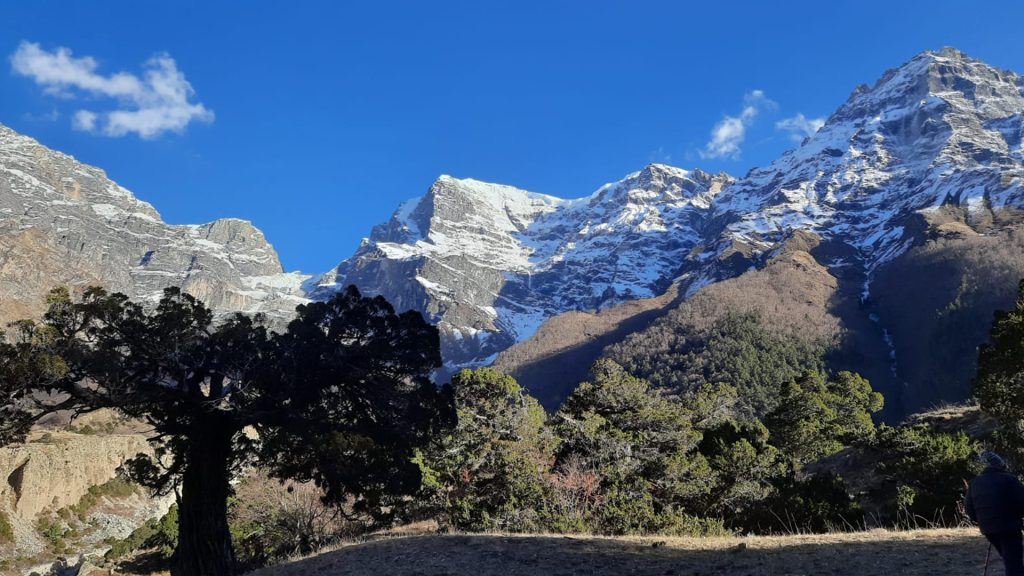
Upper Mustang, also known as the “Last Forbidden Kingdom,” lies in the trans-Himalayan region of Nepal. Its barren landscapes, medieval settlements, and Tibetan-influenced culture make it a unique destination.
Cultural Significance:
The region is predominantly inhabited by people of Tibetan origin who practice Mahayana Buddhism. The Tiji Festival reflects their deep-rooted spiritual beliefs and offers travelers an authentic cultural experience.
Altitude:
The trek reaches a maximum elevation of 3,840 meters in Lo Manthang. Acclimatization is crucial to avoid altitude sickness.
3. Permits and Documentation
Trekking to Upper Mustang requires two primary permits:
Annapurna Conservation Area Permit (ACAP)
Cost: NPR 3,000 for foreigners (approximately USD 25)
Required for entry into the Annapurna region.
Restricted Area Permit (RAP)
Cost: USD 500 per person for the first 10 days and USD 50 per additional day.
Mandatory for traveling beyond Kagbeni into Upper Mustang.
You must carry your passport, two passport-sized photographs, and photocopies of your documents when applying for permits.
4. Best Time to Visit
The Tiji Festival typically takes place in May, during the spring season. This is the best time to visit as the weather is stable, and the landscapes are vibrant with blooming wildflowers.
Spring offers moderate temperatures, clear skies, and a chance to enjoy the festival alongside breathtaking views of the Annapurna and Dhaulagiri ranges.
5. Accommodation and Meals
Accommodation Options:
Tea Houses:
Basic rooms with shared bathrooms.
Cozy common areas with a wood stove for warmth.
Homestays:
Offers a closer look at local life and traditions.
Home-cooked meals and the opportunity to interact with the locals.
Meals:
Traditional Dishes:Dal Bhat (rice and lentils), momos (dumplings), and thukpa (noodle soup).
Snacks:Local bread, yak cheese, and herbal teas.
Beverages:Butter tea, salt tea, and locally brewed chang (barley beer).
Vegetarian options are widely available, and most meals are freshly prepared using local ingredients.
6. Transportation
Getting There:
Flight:
Fly from Kathmandu to Pokhara (30 minutes) and then to Jomsom (20 minutes).
Jeep Drive:
From Jomsom, a private jeep takes you through Kagbeni to Lo Manthang.
Alternative Option:
Overland travel from Pokhara to Jomsom via jeep offers a scenic drive but is time-consuming.
7. Trek Itinerary
A standard itinerary for the Tiji Festival trek spans 13–15 days, including travel, acclimatization, and festival participation.
Sample Itinerary:
Day 1–2: Arrival in Kathmandu, flight to Pokhara.
Day 3: Fly to Jomsom and trek to Kagbeni.
Day 4–7: Trek through Chele, Syanbochen, and Ghami to Lo Manthang.
Day 8–10: Participate in the Tiji Festival celebrations.
Day 11–13: Return trek to Jomsom and flight to Pokhara/Kathmandu.
8. Fitness and Preparation
The trek is categorized as moderate, requiring a good level of physical fitness. Preparation tips:
Engage in cardiovascular and strength training at least a month before the trek.
Practice hiking with a backpack to simulate trekking conditions.
Consult your physician if you have health concerns.
9. Altitude Sickness Prevention
Symptoms of Altitude Sickness:
Headache, nausea, shortness of breath, and dizziness.
Preventive Measures:
Acclimatize properly by ascending gradually.
Stay hydrated and avoid alcohol.
Use medications like Diamox after consulting a doctor.
Guides and porters are trained to handle altitude-related emergencies.
10. Packing Essentials
Clothing:
Thermal layers, fleece jackets, and windproof outerwear.
Comfortable trekking pants and moisture-wicking shirts.
Footwear:
Sturdy trekking boots with ankle support.
Gear:
Trekking poles, sleeping bag, and a backpack.
Miscellaneous:
Sunglasses, sunscreen, and lip balm.
Reusable water bottles and water purification tablets.
11. Cultural Sensitivity
Respect local customs by dressing modestly and seeking permission before taking photographs.
Avoid touching religious artifacts or entering restricted areas without guidance.
The Tiji Festival is a sacred event, and visitors should behave respectfully during the rituals.
12. Guides and Support Staff
Travelers are accompanied by cultural experts and experienced trekking guides. Guides help:
Interpret the cultural significance of the festival.
Manage logistics like accommodation and permits.
Ensure safety and well-being throughout the trek.
Porters are also available to carry heavy loads, allowing you to trek comfortably.
13. Cost of the Trip
The cost of the Tiji Festival Mustang Trek varies depending on the group size and services provided.
Cost Breakdown:
Permits: ACAP and RAP fees.
Transportation: Flights, jeep rentals, and local transfers.
Accommodation and Meals: Based on tea house and homestay availability.
Guide and Porter Services: Salaries, insurance, and equipment.
It is advisable to book through a reputable travel agency for a hassle-free experience.
14. Communication and Connectivity
Mobile networks (NTC and Ncell) provide limited coverage in Upper Mustang.
Some tea houses offer Wi-Fi for an additional cost.
Satellite phones are available for emergencies.
15. Environmental Responsibility
Upper Mustang is a fragile ecosystem, and visitors should follow Leave No Trace principles:
Avoid littering and carry all trash back to Jomsom or Kathmandu.
Use biodegradable soap and toiletries.
Refrain from disturbing wildlife or removing plants.
The Tiji Festival Mustang Trek is more than just a journey through breathtaking landscapes; it is an immersive cultural experience that connects travelers to the heart of Mustang’s spiritual heritage. Proper planning, respect for local customs, and a sense of adventure will make your trip unforgettable.
FAQS
1. What is the Tiji Festival, and why is it celebrated?
The Tiji Festival is a three-day celebration in Lo Manthang, Upper Mustang. Rooted in Tibetan Buddhism, it commemorates the story of Dorje Jono, a deity who defeated evil forces to restore balance and prosperity.
2. When does the Tiji Festival take place?
The festival is celebrated annually in May, during the spring season. The exact dates vary according to the Tibetan lunar calendar.
3. Do I need special permits for this trek?
Yes, you need two permits:
Annapurna Conservation Area Permit (ACAP)
Restricted Area Permit (RAP) for Upper Mustang
4. How difficult is the trek?
The trek is of moderate difficulty. You will need good physical fitness to manage long walks and moderate altitudes, with a maximum elevation of 3,840 meters.
5. What type of accommodation is available during the trek?
Accommodation options include:
Tea Houses: Basic lodges with shared facilities.
Homestays: Comfortable stays offering a closer look at local culture.
6. What food is served during the trek?
Meals include local Nepali and Tibetan dishes such as dal bhat, thukpa, momos, and snacks like yak cheese and bread. Vegetarian options are widely available.
7. What is the maximum altitude during the trek, and is altitude sickness a concern?
The highest point is 3,840 meters in Lo Manthang. Altitude sickness is a potential risk, but gradual ascent and proper acclimatization can help prevent it.
8. What is the best season for the Tiji Festival Trek?
The best time is spring (May), when the weather is stable, and the festival occurs. The landscapes are also at their most beautiful.
9. What should I pack for this trek?
Essential items include:
Thermal clothing and a windproof jacket
Sturdy trekking boots
Trekking poles and a sleeping bag
Sunglasses, sunscreen, and a reusable water bottle
10. Is the Tiji Festival open to tourists?
Yes, tourists are welcome to observe the festival. However, visitors should respect local customs and maintain decorum during rituals and dances.
11. How do I reach Lo Manthang for the festival?
Travelers typically fly from Kathmandu to Pokhara, then to Jomsom. From Jomsom, a jeep ride or trek leads to Lo Manthang.
12. Can I travel solo to Upper Mustang?
No, solo travel is not allowed in the restricted Upper Mustang area. You must be accompanied by a registered guide and travel in a group of at least two people.
13. Is internet or mobile connectivity available?
Mobile network coverage is limited, but some tea houses provide Wi-Fi for an additional fee. Satellite phones can be used in emergencies.
14. What makes the Tiji Festival special for visitors?
The Tiji Festival offers a unique cultural experience, with mesmerizing mask dances, intricate costumes, and spiritual rituals that provide deep insights into Tibetan Buddhist traditions.
15. What kind of guide is provided for this trek?
The trek includes a cultural expert guide who is knowledgeable about the region, its history, and the spiritual significance of the festival. They also ensure your safety and manage logistics throughout the trip.
Equipment Checklist
Clothing
- Trekking Boots – Sturdy and comfortable for long days of walking on varied terrain.
- Camp Shoes/Flip-Flops – For relaxing in tea houses or around the campsite.
- Thermal Underwear – For colder days and nights in higher altitudes.
- Trekking Pants – Lightweight and quick-drying.
- Hiking Shirts – Moisture-wicking shirts for comfort.
- Insulated Jacket – For warmth in colder regions.
- Windproof Jacket – To protect against strong winds at higher altitudes.
- Fleece Jacket – For layering and warmth.
- Poncho or Waterproof Jacket – To protect from rain and snow.
- Hat/Cap – To shield from the sun.
- Warm Hat/Beanie – For cold weather.
- Gloves – Warm, waterproof gloves for trekking and evenings.
- Socks – Thick, moisture-wicking socks (at least 3-4 pairs).
- Neck Gaiter/Scarf – For warmth and dust protection.
Backpacking Gear
- Backpack (30–50L) – Lightweight and comfortable for carrying essentials.
- Waterproof Backpack Cover – To protect your gear in rain.
- Daypack (20L) – For short day hikes or to carry extra layers, snacks, etc.
- Sleeping Bag – Rated for temperatures at least as low as -10°C (14°F).
- Sleeping Bag Liner – To keep your sleeping bag clean.
- Trekking Poles – To assist with balance and reduce strain on knees.
- Headlamp/Flashlight – With extra batteries (essential for early mornings or evenings).
- Water Bottle (2–3L) – Hydration is key at higher altitudes.
- Water Purification Tablets/Filter – To ensure safe drinking water.
- Dry Bags – For keeping electronics and valuables safe from water.
Personal Items
- Passport and Copies – For permits and border control.
- Trekking Permits (ACAP, RAP) – Carry physical copies for the authorities.
- Travel Insurance – With evacuation coverage, in case of emergency.
- Sunscreen (SPF 30 or higher) – Essential to prevent sunburn at high altitudes.
- Lip Balm with SPF – Protect your lips from sunburn and dryness.
- Hand Sanitizer – For maintaining hygiene in remote areas.
- Toiletries – Toothbrush, toothpaste, wet wipes, etc.
- First Aid Kit – With bandages, antiseptic, pain relievers, altitude sickness medication, and any personal prescriptions.
- Camera and Extra Memory Cards – To capture memories of the festival and scenery.
- Power Bank/Chargers – To keep your electronics charged during the trek.
- Snacks (Energy Bars, Dried Fruit, Nuts) – For extra energy between meals.
- Toilet Paper – Some places may not provide it, so it’s a good idea to carry a roll.
- Earplugs – Useful for noise in shared accommodations.
- Towel – A quick-dry towel for hygiene and comfort.
- Notebook/Pen – To document your experiences and memories.
- Cash (NPR) – For purchasing items in remote areas where card payments may not be available.
Optional Items
- Camera or GoPro – For high-quality photos and videos of the trek and the festival.
- Solar Charger – To charge devices when electricity is scarce.
- Binoculars – If you’re into birdwatching or scenic views.
- Books/Journal – For some quiet time during the evenings.
- Lightweight Travel Towel – If you prefer to carry your own towel.
- Plastic Bags – To store dirty clothes or trash.
- Pillowcase – For comfort while sleeping.
- Packable Chair – For sitting comfortably during breaks or at tea houses.
Important Travel Documents
- Flight Tickets – Copies of your flight details for your arrival and departure.
- Itinerary – Keep a copy of your trekking itinerary for reference.
- Emergency Contacts – The phone numbers of your trekking agency and emergency contacts.